AS2124-1992: Australian Standard Conditions of Contract for Construct Only Projects
AS2124-1992 is a comprehensive contractual framework for construct-only projects in Australia. It provides clear guidelines for defining roles, managing risks, handling payments, and resolving disputes and is considered a foundational standard in the Australian construction industry. However, AS2124 is now over 20 years old and is seen by many as being less relevant in the construction industry in Australia, with many more projects now being run on AS4000-1997.
If you’re considering using AS 2124 on a project, here’s the fastest way to get legal and commercial advice from a 25+ year Construction Lawyer and experienced Commercial Manager
Call Rachelle Hare on (07) 3063 3373
Key Takeaways about AS2124-1992
- Comprehensive Structure – The contract’s three main components – the formal agreement, general conditions, and annexures – ensure flexibility and adaptability for a variety of projects.
- Defined Roles and Responsibilities – Each party’s role, including the principal, contractor, and superintendent, is clearly outlined to reduce ambiguities.
- Robust Risk Allocation – AS2124-1992 provides predefined clauses to allocate risks equitably, avoiding unnecessary disputes.
- Variation and Time Provisions – Detailed mechanisms are included for managing scope changes and unforeseen delays.
- Dispute Resolution Framework – Includes negotiation, mediation, arbitration, and litigation options, ensuring fair resolution processes.
Introduction to AS2124-1992
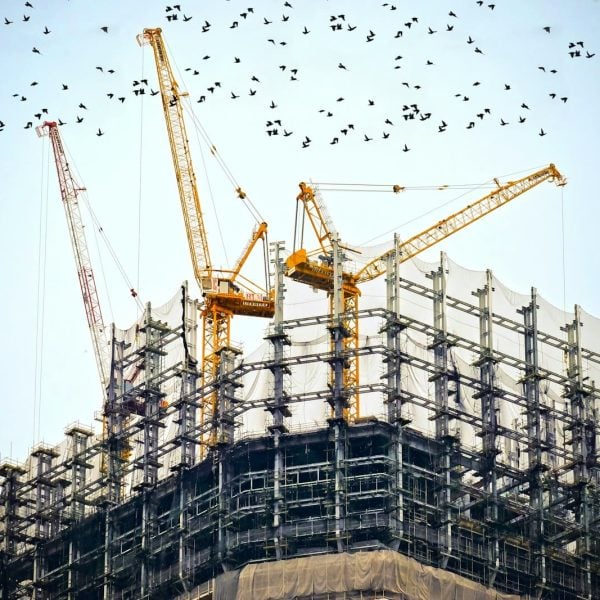
AS2124-1992 is one of the most widely used standard contracts in the Australian construction industry. It is specifically designed for construct-only projects where the contractor’s role is limited to construction, not design. The contract balances fairness with flexibility, ensuring both the principal and contractor are protected while maintaining clarity in terms and conditions. This guide will provide an in-depth understanding of its structure, application, and benefits.
1. Structure of AS2124-1992
The structure of AS2124-1992 is one of its key strengths, as it provides a clear and consistent approach to managing construction contracts.
Formal Instrument of Agreement The formal instrument of agreement is the document that legally binds the principal and contractor to the terms of the contract. It outlines the basic details of the agreement, including:
- The names of the principal and contractor.
- A clear description of the project and scope of work.
- The agreed contract sum and payment terms.
- Signatures of both parties, signifying their commitment.
This document serves as the foundation of the contractual relationship and ensures legal enforceability. By clearly stating the obligations of both parties, it prevents ambiguity and sets the tone for a professional working relationship.
General Conditions of Contract The general conditions of AS2124-1992 cover the standard terms and provisions applicable to most construction projects. These conditions include:
- Risk allocation clauses that determine which party bears responsibility for various risks.
- Detailed provisions for managing payments, including progress payments, variations, and final settlements.
- Procedures for handling disputes, such as mediation and arbitration.
These conditions are designed to provide a fair and balanced framework, promoting cooperation between the principal and contractor. By standardising these terms, AS2124-1992 simplifies contract administration and reduces the likelihood of disputes.
Annexures Annexures are an essential part of the contract, allowing for project-specific customisation. They may include:
- Schedules outlining project milestones and deadlines.
- Additional clauses tailored to address specific risks or requirements.
- Details of safety protocols, environmental compliance measures, or performance criteria.
By providing flexibility without compromising the integrity of the standard contract, annexures enable AS2124-1992 to be adapted for a wide range of projects.
The comprehensive structure of AS2124-1992 ensures clarity, consistency, and adaptability, making it an invaluable tool for construction professionals.
2. Roles and Responsibilities of Key Parties
The success of any construction project depends on clearly defined roles and responsibilities. AS2124-1992 ensures that all parties understand their obligations, fostering a collaborative working environment.
Principal The principal is the party responsible for commissioning the project. Their key responsibilities include:
- Providing funding for the project and ensuring sufficient financial resources are available.
- Granting the contractor access to the site and ensuring all necessary approvals and permits are in place.
- Acting in good faith and not interfering with the contractor’s ability to perform their work.
The principal’s role is central to the project’s success. By fulfilling their obligations, they provide the contractor with the resources and support needed to deliver the project as planned.


Contractor The contractor is tasked with executing the works as per the contract specifications. Their responsibilities include:
- Managing all aspects of construction, including labour, materials, and subcontractors.
- Ensuring the works are completed to the specified quality standards and within the agreed timeframe.
- Communicating with the principal and superintendent regarding progress and any potential issues.
The contractor’s performance directly impacts the quality and timeliness of the project, making their role critical to achieving the desired outcomes.
Superintendent The superintendent is an impartial party appointed by the principal to administer the contract. Their responsibilities include:
- Monitoring the contractor’s compliance with the contract terms.
- Certifying payments and assessing claims for variations or extensions of time.
- Acting as a mediator in disputes between the principal and contractor.
The superintendent’s role is vital for ensuring fairness and transparency throughout the project.
Subcontractors Subcontractors are engaged by the contractor to perform specific tasks or supply materials. Their responsibilities include:
- Complying with the terms of their subcontract, which should align with the main contract.
- Delivering their work to the required quality and safety standards.
By clearly defining the roles of all parties, AS2124-1992 reduces the risk of misunderstandings and disputes, creating a solid foundation for successful project delivery.

3. Contract Formation and Documentation
Proper formation and documentation of the contract are critical to its enforceability and effectiveness.
Tendering Process The tendering process is the first step in contract formation. It involves:
- Issuing tender documents, which include the project scope, specifications, and evaluation criteria.
- Receiving bids from contractors, which are then evaluated based on price, experience, and capability.
- Awarding the contract to the most suitable bidder, ensuring transparency and competitiveness.
This process ensures that the principal selects a contractor capable of delivering the project efficiently and cost-effectively.
Formalising the Agreement Once the tendering process is complete, the next step is formalising the agreement. This involves:
- Signing the formal instrument of agreement to legally bind the parties to the contract terms.
- Confirming that all preconditions, such as insurance and securities, have been met.
- Clearly defining the project scope, timelines, and payment terms.
Formalisation ensures that both parties understand their obligations and are committed to fulfilling them.
Contract Documentation Comprehensive documentation is essential for the smooth execution of the project. Key documents include:
- Drawings and specifications that define the project’s design and quality requirements.
- Schedules outlining project milestones and deadlines.
- Annexures or additional documents that address project-specific risks or requirements.
Accurate and complete documentation minimises the risk of disputes and provides a clear roadmap for project delivery.

4. Security and Retention
The inclusion of security and retention clauses in AS2124-1992 is designed to provide financial safeguards for both the principal and the contractor, ensuring accountability and proper project completion.
Types of Security Security acts as a guarantee that the contractor will meet their obligations under the contract. AS2124-1992 allows for several types of security, including:
- Bank Guarantees – These are unconditional promises from a bank to pay the principal a specified amount if the contractor fails to fulfil their obligations.
- Retention Money – A portion of each progress payment is withheld by the principal and released upon completion of specific milestones or the project.
- Insurance Bonds – These provide financial protection for the principal in case of non-performance by the contractor.
Each type of security ensures that the principal has recourse if the contractor defaults, while also incentivising the contractor to perform as agreed.
Retention Provisions Retention money is a key feature of AS2124-1992, acting as a safeguard against defects or incomplete work. Key points include:
- Percentage Retention – Typically, a set percentage (e.g., 5%) is withheld from each progress payment until the project reaches substantial completion.
- Defects Liability Period – Retention is only released in full once the contractor addresses all defects identified during this period.
- Progressive Release – AS2124-1992 allows for partial release of retention money at project milestones, helping to maintain the contractor’s cash flow.
These provisions strike a balance between protecting the principal and ensuring the contractor can continue operations without undue financial strain.
5. Site Possession and Access
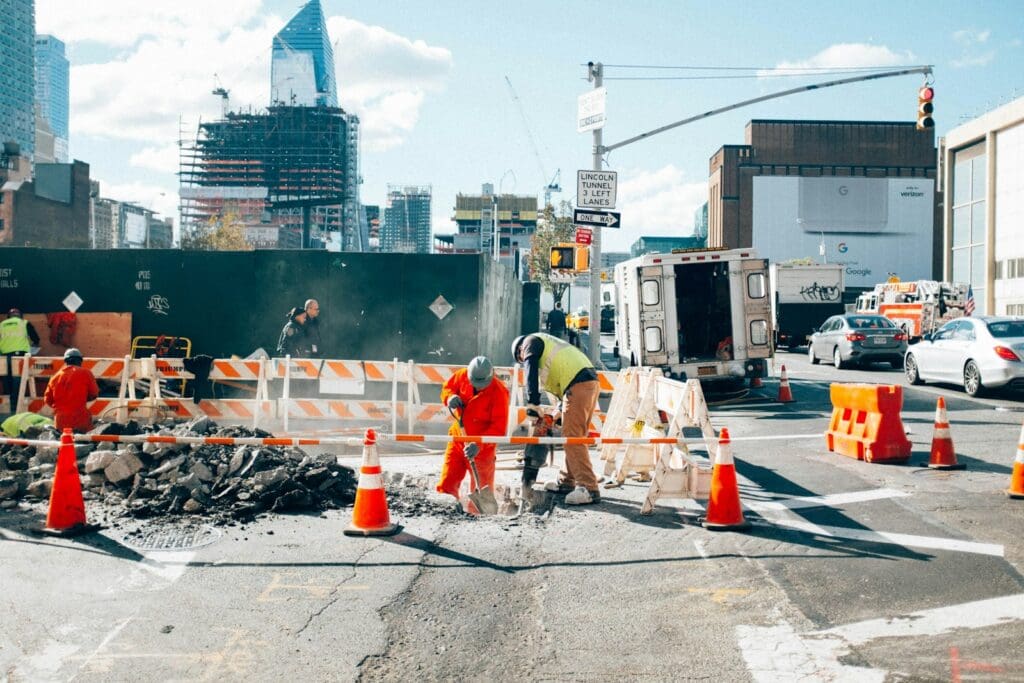
AS2124-1992 outlines clear terms for site possession and access, ensuring a smooth start to construction activities.
Possession of Site The principal is obligated to provide the contractor with possession of the site on the agreed date. This includes:
- Ensuring the site is free from obstacles or restrictions that could delay construction.
- Providing access to all areas specified in the contract.
Delays in providing possession can result in claims for extensions of time or additional costs, making it essential for principals to meet this obligation promptly.
Access Conditions AS2124-1992 also sets out conditions governing access to the site during construction. These include:
- Safety Protocols – Contractors must adhere to workplace health and safety regulations to protect all workers and visitors on-site.
- Coordination Requirements – When multiple contractors or subcontractors are working on the same site, clear coordination measures are necessary to prevent conflicts and delays.
- Environmental Restrictions – Access may be subject to environmental considerations, such as minimising noise or managing waste disposal.
By addressing site possession and access comprehensively, AS2124-1992 reduces the risk of delays and disputes at the start of a project.

6. Program and Progress
A well-defined construction program is essential for ensuring that a project remains on track. AS2124-1992 includes provisions to help monitor and manage progress effectively.
Construction Program The contractor is required to submit a detailed construction program for approval by the superintendent. This program should:
- Outline the sequence and timing of all major activities.
- Include key milestones and critical deadlines.
- Identify dependencies between tasks, such as the completion of one activity before another can commence.
The program serves as a roadmap for project delivery, providing clarity on timelines and helping to prevent delays.
Monitoring Progress Regular monitoring and reporting are critical to ensure the project stays on track. AS2124-1992 requires:
- Submission of progress reports by the contractor at agreed intervals.
- Regular site inspections by the superintendent to verify that work aligns with the program.
- Prompt communication of any issues that could affect progress.
These measures enable early identification of delays and allow corrective actions to be implemented swiftly.
Dealing with Delays When delays occur, AS2124-1992 provides mechanisms for managing their impact:
- Contractor Delays – If delays are caused by the contractor, they may be required to accelerate works at their own cost to meet the original timeline.
- Principal Delays – Delays caused by the principal, such as late approvals or site access issues, may entitle the contractor to an extension of time and additional costs.
- Force Majeure – Unforeseen events, such as natural disasters, are also accounted for, with provisions allowing for adjustments to the program.
Effective program management ensures that projects remain on schedule and within budget.

7. Variations and Extensions of Time
Managing changes to the project scope or schedule is a critical aspect of contract administration, and AS2124-1992 provides robust procedures for handling variations and extensions of time.
Variations Variations refer to changes in the scope of works originally agreed upon in the contract. AS2124-1992 outlines a structured process for managing these changes:
- Initiation – Variations may be initiated by the principal, contractor, or superintendent, depending on the circumstances.
- Submission – The contractor must submit a variation proposal, detailing the cost and time implications of the change.
- Evaluation – The superintendent assesses the proposal and determines whether the variation is necessary and justified.
- Approval – Variations are only implemented once approved in writing by the superintendent.
This process ensures that all parties are aligned on the impact of changes, reducing the risk of disputes.
Extensions of Time (EOT) EOT provisions allow contractors to request additional time for delays outside their control. Key aspects include:
- Grounds for EOT – These may include inclement weather, delays in obtaining permits, or changes to the scope of work.
- Notice Requirements – Contractors must notify the superintendent of delays promptly, providing supporting evidence for their claim.
- Assessment and Approval – The superintendent evaluates the claim and grants an extension if the delay is deemed valid.
EOT provisions ensure fairness by recognising that not all delays can be anticipated or controlled.
7. Variations and Extensions of Time
Managing changes to the project scope or schedule is a critical aspect of contract administration, and AS2124-1992 provides robust procedures for handling variations and extensions of time.
Variations Variations refer to changes in the scope of works originally agreed upon in the contract. AS2124-1992 outlines a structured process for managing these changes:
- Initiation – Variations may be initiated by the principal, contractor, or superintendent, depending on the circumstances.
- Submission – The contractor must submit a variation proposal, detailing the cost and time implications of the change.
- Evaluation – The superintendent assesses the proposal and determines whether the variation is necessary and justified.
- Approval – Variations are only implemented once approved in writing by the superintendent.
This process ensures that all parties are aligned on the impact of changes, reducing the risk of disputes.
Extensions of Time (EOT) EOT provisions allow contractors to request additional time for delays outside their control. Key aspects include:
- Grounds for EOT – These may include inclement weather, delays in obtaining permits, or changes to the scope of work.
- Notice Requirements – Contractors must notify the superintendent of delays promptly, providing supporting evidence for their claim.
- Assessment and Approval – The superintendent evaluates the claim and grants an extension if the delay is deemed valid.
EOT provisions ensure fairness by recognising that not all delays can be anticipated or controlled.

8. Payment Terms and Mechanisms
AS2124-1992 includes detailed payment provisions to ensure fair compensation for the contractor and transparency for the principal.
Progress Payments Progress payments are made at regular intervals based on the percentage of work completed. The process involves:
- Submission of Claims – The contractor submits a payment claim to the superintendent, including evidence of the work completed.
- Certification – The superintendent reviews the claim, verifies the work, and issues a payment certificate specifying the amount to be paid.
- Timely Payment – The principal is required to pay the certified amount within the timeframe specified in the contract.
This system helps maintain the contractor’s cash flow and ensures that the principal only pays for work that has been properly completed.
Final Settlement Final settlement occurs once the project is completed, and all outstanding issues have been resolved. This includes:
- Release of Retention Money – Retention funds are released once the defects liability period has expired and all defects have been rectified.
- Settlement of Claims – Any unresolved claims for variations or extensions of time are finalised.
- Issuance of Final Certificate – The superintendent issues a final certificate confirming that all contractual obligations have been met.
Transparent payment mechanisms reduce financial disputes and ensure fairness for all parties.
From My Experience
AS2124 is not compliant with current legislation in Australia, and amendments will be required.
Contact Rachelle Hare for advice before using this Australian Standard.

9. Quality Assurance and Defects
AS2124-1992 ensures that construction projects adhere to the highest standards of quality, with mechanisms to identify, address, and rectify defects.
Workmanship Standards The contractor is obligated to meet the quality standards specified in the contract. Key points include:
- Ensuring all works comply with project specifications, drawings, and relevant Australian Standards.
- Using approved materials and construction methods.
- Employing skilled labour and experienced subcontractors to maintain consistent workmanship.
Meeting these standards helps avoid disputes related to non-compliance or subpar construction quality.
Inspection and Testing AS2124-1992 includes provisions for inspection and testing at various stages of the project. These provisions allow:
- The superintendent to inspect works during construction to verify compliance.
- Testing of materials and components to ensure they meet required specifications.
- The contractor to rectify any issues identified during inspections before proceeding further.
Regular inspections and testing promote accountability and help maintain the desired quality throughout the project lifecycle.
Rectification of Defects During the defects liability period, the contractor is required to address any issues identified by the principal or superintendent. Key provisions include:
- A clear timeframe for rectification, ensuring defects are resolved promptly.
- Retention of a portion of the contract sum to incentivise the contractor to complete all rectifications.
- Final certification by the superintendent once all defects have been rectified.
These measures ensure that the project is delivered in accordance with the agreed standards and expectations.
10. Risk Allocation and Management
Effective risk allocation is one of the cornerstones of AS2124-1992. By clearly defining responsibilities, the contract minimises ambiguities and potential disputes.
Identifying Risks AS2124-1992 specifies various risks and assigns responsibility for managing them to the appropriate party. Examples include:
- Site Conditions – The contractor is responsible for investigating site conditions before commencing work.
- Design Changes – The principal bears responsibility for risks associated with modifications to the project scope or specifications.
- Weather Delays – Provisions allow for extensions of time but not necessarily compensation for costs incurred.
Clear identification of risks ensures both parties understand their obligations from the outset.
Equitable Allocation AS2124-1992 aims to allocate risks to the party best able to manage them. For instance:
- Contractors are responsible for risks within their control, such as labour, materials, and construction methods.
- Principals are accountable for delays or disruptions caused by late approvals, incomplete designs, or changes to the project scope.
This equitable approach fosters collaboration and reduces the likelihood of disputes.
Risk Mitigation Strategies To manage risks effectively, AS2124-1992 encourages proactive measures, such as:
- Developing contingency plans for unforeseen events.
- Including comprehensive insurance coverage for project risks.
- Conducting regular progress reviews to identify and address potential issues early.
Proactive risk management ensures smoother project execution and fewer disruptions.

11. Insurance Requirements
Insurance is critical for protecting all parties involved in a construction project. AS2124-1992 includes detailed provisions for insurance coverage.
Types of Insurance The contract specifies the types of insurance required, including:
- Contract Works Insurance – Covers damage to the works, materials, and equipment during construction.
- Public Liability Insurance – Protects against claims for injury or property damage caused by construction activities.
- Workers’ Compensation Insurance – Ensures coverage for injuries sustained by employees or subcontractors on-site.
These policies provide financial protection and mitigate the impact of unforeseen events.
Responsibilities AS2124-1992 assigns specific insurance responsibilities:
- The contractor is typically required to arrange and maintain contract works and workers’ compensation insurance.
- The principal is responsible for ensuring public liability insurance is in place for the project.
These responsibilities ensure comprehensive coverage for all project-related risks.
Proof of Compliance The contract requires contractors to provide evidence of insurance coverage, such as certificates of currency, before commencing work. This ensures:
- The project is adequately insured against risks.
- Both parties are compliant with their legal and contractual obligations.
Comprehensive insurance provisions safeguard the financial interests of all parties and promote compliance with Australian regulations.
12. Dispute Resolution
Disputes are common in construction projects, and AS2124-1992 provides a structured process for resolving conflicts efficiently and fairly.
Negotiation The first step in resolving disputes is direct negotiation between the principal and contractor. This process:
- Encourages open communication to identify and address the root cause of the issue.
- Allows parties to reach mutually agreeable solutions without external intervention.
Negotiation is often the quickest and least expensive way to resolve disputes.
Mediation If negotiation fails, AS2124-1992 allows for mediation as a next step. Mediation involves:
- Appointing an impartial third party to facilitate discussions between the disputing parties.
- Working towards a voluntary settlement that satisfies both parties.
Mediation is a cost-effective and non-binding process that can help preserve relationships.
Arbitration For more complex disputes, arbitration may be required. Key features include:
- A binding decision made by an independent arbitrator, based on the evidence presented.
- A faster and less formal process than litigation, with a focus on achieving fair outcomes.
Arbitration is often preferred for disputes involving technical or contractual issues.
Litigation Litigation is considered a last resort and is typically only pursued if other methods fail. It involves:
- Escalating the dispute to the court system for resolution.
- A formal and binding decision made by a judge.
While litigation can be costly and time-consuming, it provides a definitive resolution for unresolved disputes.
AS2124-1992’s dispute resolution framework ensures that conflicts are handled systematically, minimising delays and costs.
13. Termination and Suspension
Termination and suspension provisions in AS2124-1992 ensure that parties have clear procedures to follow in case of contract breaches or unforeseen circumstances.
Termination by the Principal The principal may terminate the contract if the contractor:
- Fails to meet their obligations, such as project milestones or quality standards.
- Becomes insolvent or unable to complete the works.
In such cases, the principal must provide written notice and allow the contractor an opportunity to remedy the breach.
Termination by the Contractor The contractor may terminate the contract if the principal:
- Fails to make payments as specified in the contract.
- Interferes with the contractor’s ability to perform their work.
Termination by the contractor also requires written notice and sufficient time for the principal to address the issue.
Suspension of Work AS2124-1992 allows for the suspension of work under specific circumstances, such as:
- Delays caused by external factors, such as regulatory approvals or force majeure events.
- Breaches of contract that prevent the contractor from continuing work.
Suspension provisions ensure that parties can address issues without escalating to termination, reducing potential losses.


14. Legal and Regulatory Compliance
AS2124-1992 ensures compliance with Australian legal and regulatory requirements, promoting accountability and reducing legal risks for both principals and contractors.
Adherence to Australian Standards
- The contract aligns with industry standards, ensuring construction practices meet safety, quality, and environmental benchmarks.
- References to Australian Standards, such as AS/NZS 4801 for occupational health and safety, are often incorporated to provide additional guidance.
Work Health and Safety (WHS) Obligations
- Both the principal and contractor are required to comply with WHS laws, ensuring a safe environment for workers and the public.
- Contractors must provide site-specific safety plans and ensure all workers receive appropriate training.
Environmental Compliance
- AS2124-1992 includes provisions for managing environmental risks, such as waste disposal, pollution control, and protection of flora and fauna.
- Contractors must adhere to local, state, and federal environmental regulations throughout the project lifecycle.
Permits and Approvals
- The principal is responsible for obtaining necessary permits and approvals before site possession.
- The contractor must ensure all construction activities comply with these approvals and report any deviations to the superintendent.
By mandating compliance with Australian laws and standards, AS2124-1992 mitigates risks and enhances project credibility.
15. Amendments and Special Conditions
While AS2124-1992 provides a robust framework, amendments and special conditions are often added to tailor the contract to specific project requirements.
Common Amendments
- Adjustments to risk allocation, such as transferring design responsibility to the contractor in certain circumstances.
- Modified payment terms to accommodate unique cash flow arrangements or funding requirements.
- Revised dispute resolution procedures, such as omitting arbitration in favour of mediation.
These amendments allow the contract to remain relevant across diverse projects while maintaining its core principles.
Special Conditions
- Special conditions are additional clauses added to address project-specific risks or requirements.
- Examples include provisions for subcontractor approvals, extended defects liability periods, or performance incentives for early completion.
Drafting Best Practices
- Amendments and special conditions should be drafted carefully to avoid conflicts with the general conditions of the contract.
- Legal professionals or contract administrators are typically involved in drafting to ensure enforceability and compliance.
Customising AS2124-1992 ensures it meets the unique demands of each project while preserving its integrity.
16. Comparison with Other Standard Contracts
AS2124-1992 is often compared to other standard forms of contract, such as AS4000-1997, to help stakeholders choose the most suitable option for their projects.
AS2124-1992 vs. AS4000-1997
- Risk Allocation – AS2124-1992 retains a more traditional approach to risk allocation, while AS4000-1997 offers a more modern, balanced distribution.
- Contract Language – AS4000-1997 uses simpler, clearer language, making it easier for non-legal professionals to interpret.
- Dispute Resolution – Both contracts include similar mechanisms, but AS4000-1997 incorporates updates reflecting contemporary practices.
Suitability
- AS2124-1992 is ideal for projects where the principal prefers greater control and traditional risk allocations.
- AS4000-1997 is better suited to projects requiring more equitable risk-sharing and simplified administration.
Understanding these differences helps stakeholders select the most appropriate contract for their needs.
18. Future of AS2124-1992
Despite its continued relevance, AS2124-1992 faces challenges in adapting to modern construction practices.
Trends in Contracting
- Increasing use of design and construct contracts, such as AS4902, reduces reliance on construct-only contracts like AS2124-1992.
- Emphasis on collaboration and risk-sharing is driving the adoption of more modern frameworks.
Potential Updates
- Industry professionals advocate for revisions to AS2124-1992, including updates to reflect current safety regulations, environmental requirements, and digital technologies.
- Enhanced dispute resolution mechanisms, such as early neutral evaluation, could further improve the contract’s effectiveness.
AS2124-1992 remains a cornerstone of the construction industry, but ongoing updates will ensure its continued relevance.

Conclusion
AS2124-1992 is a trusted standard in the Australian construction industry. However, it is now outdated and I wouldn’t recommend that it be used for projects into the future.
If you’re considering using AS 2124 on a project, here’s the fastest way to get legal and commercial advice from a 25+ year Construction Lawyer and experienced Commercial Manager
Call Rachelle Hare on (07) 3063 3373
FAQs
1. What is AS2124-1992?
AS2124-1992 is an Australian Standard contract used for construct-only projects, outlining roles, responsibilities, and obligations to ensure smooth project delivery.
2. Can AS2124-1992 be customised?
Amendments and special conditions can be added to AS 2124-1992 to address project-specific requirements and incorporate current industry-standard provisions. When AS 2124 is used, it is often heavily amended by principals.
3. How does AS2124-1992 handle variations?
The contract includes a structured process for submitting, assessing, and approving variations, ensuring alignment among stakeholders.
4. What dispute resolution methods are available in AS2124-1992?
Negotiation, mediation, arbitration, and litigation are all provided as options for resolving disputes.
5. Is AS2124-1992 suitable for all projects?
AS2124-1992 is best suited for construct-only projects where the contractor’s role is limited to construction, not design. These days, it is not recommended to use this Australian Standard given its age and non-compliance with current legislation around Australia.
6. What types of security does AS2124-1992 allow?
Bank guarantees, retention money, and insurance bonds are all permitted as forms of security.
7. How does the contract ensure quality?
It includes provisions for workmanship standards, regular inspections, and rectification of defects.
8. What is the future of AS2124-1992?
The contract needs significant updating to reflect current industry practices and regulatory changes. It should not be used for projects without significant amendment, including to incorporate Security of Payment Act requirements.