Key Takeaways: What may cause your Business to Lose Money?
- Understanding the reasons and what may cause your business to lose money is crucial for business owners in Australia.
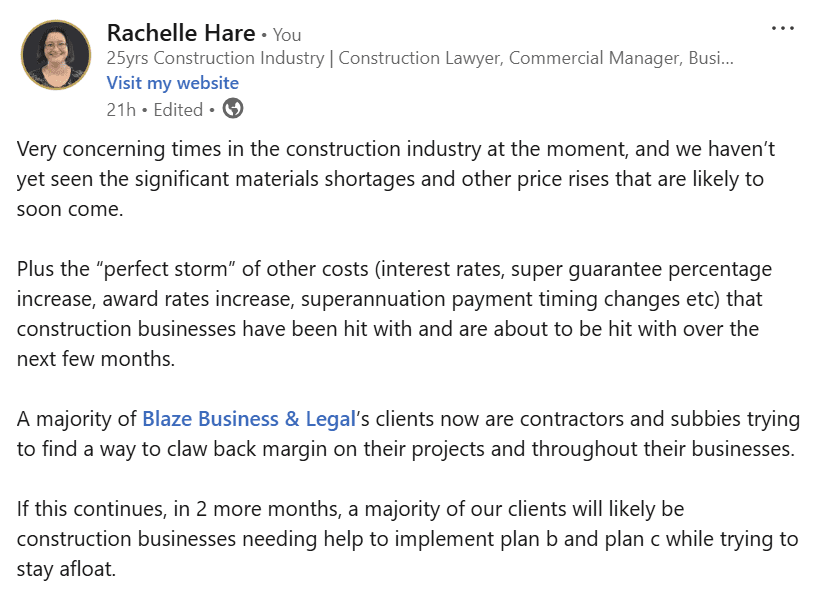
- This is particularly in 2023 and 2024, where market conditions and industry conditions, not to mention rising interest rates, reveal a significant downslide towards recession.
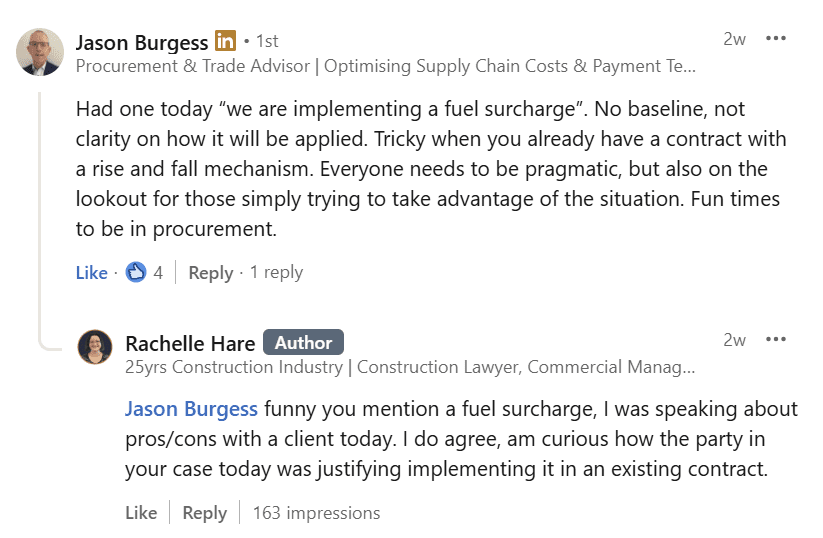
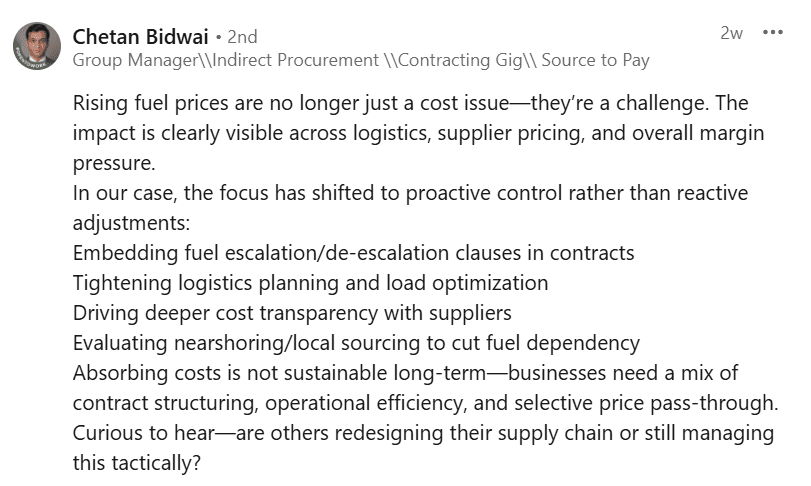
- Various factors contribute to businesses losing money, including market conditions, operational inefficiencies, external competition, regulatory changes, and inadequate financial planning. Plus, of course, global pandemics and global financial challenges (if not strictly “financial crises” as yet.
- Identifying these issues can help businesses take the first steps towards changing course.
- And addressing these issues can mitigate losses plus help the business improve revenue and increase profits.
Introduction
As a business owner in Australia, seeing your hard-earned money going down the drain can be disheartening. To overcome this challenge, it’s essential to understand what might cause your business to lose money. In 2024, a number of different factors can contribute to financial losses for Australian businesses. By understanding these factors, determining whether they apply to your business, and taking proactive steps to deal with each relevant factor, you can safeguard your business’s financial health and improve revenue plus profit.
Market Factors
Economic Downturn
In an economic downturn, businesses across industries face a decline in consumer spending and demand for products or services. This reduction in demand can significantly impact your revenue streams, causing financial losses. Factors such as rising unemployment rates, reduced disposable income, and lower consumer confidence can contribute to this economic downturn.
During an economic downturn, consumers tend to tighten their belts, spending less on non-essential items and postponing big-ticket purchases. As a result, businesses experience decreased sales and revenue, leading to financial losses. Additionally, increased competition for a smaller pool of customers can intensify pricing pressures, further squeezing profit margins.
What can your business do during an economic downturn?
To mitigate the impact of an economic downturn, businesses can adopt several strategies.
- Focus on cost-cutting measures. This can help reduce expenses and improve profitability. It may involve renegotiating supplier contracts, streamlining operations, and eliminating non-essential expenditures.
- Explore diversification opportunities by expanding into new markets or developing innovative products and services that cater to changing consumer needs.
- Maintain strong customer relationships and provide exceptional customer service. Differentiating your business can help retain existing customers and attract new ones, even in challenging economic times.
Here is a guide for helping your business survive an economic downturn, including 17 Actionable Tips!
Market Saturation
Market saturation refers to an environment where there is intense competition and limited growth opportunities. In such scenarios, businesses struggle to capture market share or maintain profitability. With competitors vying for the same customer base, price wars, shrinking profit margins, and reduced customer loyalty become common challenges.
In a saturated market, businesses often find it difficult to differentiate themselves from competitors. Consumers may perceive similar products or services as interchangeable, leading to price-driven decision-making. Consequently, businesses engage in price-cutting strategies to attract customers, resulting in decreased profit margins.
Check out our post on Surviving Market Saturation
What can your business do if there is market saturation?
To navigate market saturation, businesses can focus on quality differentiation and niche markets:
- By offering superior products or services, businesses can attract customers who value quality over price.
- Additionally, identifying and targeting niche markets allows businesses to cater to specific customer needs and build a loyal customer base.
Innovation and continuous improvement are also essential in a saturated market:
- By regularly evaluating and enhancing products or services, businesses can stay ahead of the competition and attract customers through added value.
- Building strong customer relationships and providing exceptional customer service can foster customer loyalty, reducing the impact of market saturation on your business.
Operational Inefficiencies
Here are some Actionable Tips to Boost Operational Efficiency Construction!
Ineffective Cost Management
Poor cost management can quickly drain your business’s financial resources. Overspending, inefficient resource allocation, and inadequate budgeting can lead to unsustainable expenses.
To address this, business owners must closely monitor expenses, identify areas of waste, negotiate better deals with suppliers, and implement cost-cutting measures where necessary.
Many businesses face challenges related to cost management. Overspending on non-essential items, failing to negotiate favorable terms with suppliers, or inefficiently allocating resources can result in unnecessary expenses and financial losses.
How can you improve cost management in your business?
To improve cost management, it is crucial to conduct a thorough assessment of your business’s expenses. This involves steps like:
- closely monitoring cash flows
- identifying areas where costs can be reduced, and
- negotiating better terms with suppliers.
After your assessment, it is time to take action:
- Implementing cost-cutting measures such as energy-efficient practices, optimising inventory levels, and embracing technology to automate processes can help streamline operations and reduce expenses.
- Creating a comprehensive budget and regularly reviewing it can also contribute to effective cost management.
- By setting realistic financial goals and closely monitoring expenses against the budget, you can gain better control over your business’s finances.
- Additionally, seeking professional advice from advisers with expertise in your industry can provide valuable insights into cost-saving opportunities for your business.
High Overhead Expenses
Overhead expenses, such as rent, utilities, and maintenance costs, can place a significant strain on your finances. While they are necessary for the smooth operation of a business, when they become excessive or inefficient, they can lead to financial losses. Rent, utilities, insurance, and maintenance costs are common examples of overhead expenses that can put a strain on your bottom line.
Conducting regular cost assessments and exploring ways to reduce overhead expenses can help reduce this financial burden.
How can you deal with high overhead expenses?
To address high overhead expenses, businesses can consider several approaches.
- Negotiating with landlords for more favorable lease terms or exploring alternative (cheaper) locations can help reduce rental costs. And in these post-COVID times, the question of whether you actually need a physical location is particularly important to ask.
- Implementing energy-efficient practices can lead to substantial savings on utility bills over time. This may involve investing in energy-efficient appliances, using natural lighting whenever possible, and optimising heating, ventilation, and air conditioning systems. It may also involve exploring the use of solar panels on your building in order to receive solar rebates or discounted electricity.
- Exploring shared office spaces or co-working arrangements can help reduce costs, particularly for small or startup businesses.
- Conducting regular maintenance and preventive measures can help minimise unexpected repair expenses and prolong the lifespan of assets.
Inadequate Inventory Management
Maintaining an optimal level of inventory is crucial for financial stability. Overstocking your inventory can tie up your capital and increase storage costs, while understocking can lead to missed sales opportunities and dissatisfied customers.
Implementing efficient inventory management practices, including accurate demand forecasting, just-in-time inventory systems, and automation tools, can help streamline your inventory management processes.
Inadequate inventory management can result in significant financial losses for businesses. Overstocking ties up capital, increases storage costs, and can lead to obsolescence if products become outdated. On the other hand, understocking can result in missed sales opportunities and dissatisfied customers.
How can your Business Optimise Inventory Management?
To optimise inventory management, businesses can adopt several strategies:
- Accurate demand forecasting ensures that the right quantity of products is available to meet customer demand. This involves analysing historical sales data, monitoring market trends, and considering external factors that may influence demand.
- Secondly, implementing just-in-time (JIT) inventory systems can help minimise holding costs and reduce the risk of obsolete inventory. Just-in-time systems ensure that inventory is ordered and received only when needed, allowing businesses to maintain leaner inventory levels.
- Making sure your contracts are optimised and work for your business is critical. Nothing worse than having a set of terms and conditions that doesn’t meet with your business needs, including as to payment (cashflow) and delivery of stock (inventory levels)!
- Leveraging automation tools such as inventory management software can streamline processes, improve accuracy, and provide real-time insights into inventory levels and trends.
- Establishing strong relationships with suppliers can help secure reliable and timely deliveries, reducing the risk of stockouts and ensuring consistent product availability.
Learn how to adapt to and understand Market Trends, including Actionable Tips!
External Competition
Globalisation and Imports
The world today is almost fully interconnected, and businesses face fierce competition from low-cost overseas suppliers. Cheap imported goods can often outprice local products, making it challenging for Australian businesses to compete.
To remain competitive, businesses can focus on quality differentiation, niche markets, innovation, and building strong customer relationships.
The globalisation of markets has opened up opportunities for businesses to source products from overseas suppliers at competitive prices. While this provides cost advantages, it also poses challenges for local businesses. Imported goods, particularly those from low-cost manufacturing countries, can often be sold at lower prices than locally produced goods. These price differentials can make it challenging for Australian businesses to compete solely on price.
To counter this, businesses can focus on quality differentiation and emphasise the value and benefits of their products or services. By offering superior quality, exceptional customer service, and unique features, businesses can attract customers who prioritise quality over price.
Identifying and targeting niche markets can also be an effective strategy to compete against global imports.
By understanding the specific needs and preferences of a niche market segment, businesses can tailor their products or services to meet those requirements. This allows them to differentiate themselves from mass-produced imports and cater to a customer base that values specialised offerings.
Innovation plays a vital role in staying competitive against global imports.
Businesses can invest in research and development to create innovative products or services that offer unique features or benefits. Innovation can also involve finding new ways to improve processes, reduce costs, or enhance customer experiences.
Building strong customer relationships is is one of the most important steps a business can take.
By providing exceptional customer service, personalised experiences, and engaging with customers on a deeper level, businesses can foster loyalty and repeat business. Offering loyalty programs, personalised recommendations, and timely customer support can help differentiate your business from competitors.
Businesses can also explore collaborations and partnerships with local suppliers, manufacturers, or industry associations to strengthen their position against global imports. By leveraging local expertise and resources, businesses can create a competitive advantage (or a more attractive combined opportunity) and enhance their ability to offer unique and locally sourced products or services.
E-commerce Dominance
The rise of e-commerce has revolutionised consumer shopping habits. E-commerce has experienced exponential growth in recent years, reshaping the retail landscape. Online retailers offer convenience, competitive pricing, and a vast product selection, and these days they attract a significant portion of consumers.
This shift causes problems for brick-and-mortar businesses that rely on physical locations.
To remain competitive, businesses can embrace e-commerce as a complement to their existing operations. Establishing an online presence (or expanding your current online presence) allows businesses to reach a wider customer base and tap into the growing online market. This can be achieved by creating a user-friendly and visually appealing e-commerce website, optimising it for search engines, and implementing effective digital marketing strategies.
How can your Business Establish E-Commerce Dominance?
There are a number of steps a business can take to etablish e-commerce dominance:
- Businesses should strive to provide a seamless omnichannel experience, integrating their online and offline operations. This involves ensuring consistency in branding, product information, pricing, and promotions across different sales channels. By offering a unified customer experience, businesses can cater to the preferences of customers who engage with their brand through multiple touchpoints.
- In addition to online sales, businesses can also explore click-and-collect or ship-from-store options, allowing customers to purchase online and collect their orders in-store. This can enhance customer convenience and provide an opportunity to upsell or cross-sell additional products during the in-store visit.
- To compete with e-commerce giants, businesses should focus on their unique selling points. Emphasising the personalised and tailored experiences that brick-and-mortar stores can provide, businesses can create a niche market that values physical interactions, expertise, and immediate product availability.
By combining the convenience of online shopping with the advantages of physical stores, businesses can create a competitive edge and meet the evolving needs of today’s consumers.
Regulatory Changes
Legislation and Compliance
Changes in laws and compliance requirements can impact businesses financially. Laws and compliance requirements are subject to change, and businesses must stay up to date to avoid financial losses or legal issues. Failure to comply with laws can result in penalties, fines, or even legal actions, which can significantly impact a business’s financial health.
How can your Business comply with Laws and Compliance Requirements?
Here are some of the ways your business can stay compliant with laws and compliance requirements:
- Businesses should stay informed about changes in relevant laws and regulations. Have your Lawyers keep a watching brief on the laws that apply to your business, or keep track of these laws yourself.
- Regularly consulting with Lawyers, Accountants and Tax Specialists can provide valuable insights and help you ensure compliance.
- To ensure tax compliance, businesses should maintain accurate and organised financial records (including bookkeeping), implement robust accounting systems, and adopt best practices for tax reporting and remittance.
Seeking professional advice during tax planning can help identify potential tax deductions, credits, or incentives that can reduce tax liabilities. Proper tax planning can optimise your business’s tax position while ensuring compliance with relevant regulations.
Employment Laws
Changes in labor laws and regulations can lead to increased labor costs and compliance burdens for businesses. Employment laws and regulations can vary and evolve, impacting businesses in terms of labor costs and administrative requirements. Changes such as minimum wage increases, additional benefits, or more stringent employment conditions can directly impact a business’s profitability.
Adapting your human resources practices, exploring productivity-enhancing measures, and seeking expert guidance on compliance matters can assist in managing these challenges.
To address the impact of employment laws on your business’s financial health, it is important to stay informed about the latest law changes. Consulting with Employment Law experts can help you understand the implications of these changes and ensure compliance.
How can your business deal with Employment Laws
Here are some of the ways your business can deal with changes in Employment Laws:
- To manage increased labor costs, businesses can explore productivity-enhancing measures. This may involve investing in employee training and development programs to enhance skills and efficiency.
- Automating certain tasks or processes can also help streamline operations, reduce labor requirements, and optimise resource allocation.
- Seeking expert guidance in human resources practices, such as recruitment, retention, and performance management, can also contribute to better financial outcomes.
- By adopting effective HR strategies, businesses can attract and retain top talent, enhance employee engagement and productivity, and reduce turnover costs.
Inadequate Financial Planning
Poor Cash Flow Management
Insufficient working capital and ineffective cash flow management can create financial instability. Poor cash flow management is a common cause of financial losses for businesses. Insufficient working capital, delayed payments from customers, or unexpected expenses can result in cash flow gaps, making it challenging to meet financial obligations, such as paying suppliers or employees.
Regularly reviewing and adjusting your business’s cash flow management strategies is essential. By closely monitoring cash flow, analysing trends, and making proactive adjustments, businesses can maintain financial stability, meet their obligations, and minimse the risk of financial losses.
How can your Business Improve Cash Flow Management?
Here are some of the ways a Business can Improve Cash Flow Management:
- Businesses should start by developing a robust cash flow forecasting process. This involves projecting future cash inflows and outflows, considering factors such as seasonality, customer payment patterns, and anticipated expenses. By accurately forecasting cash flow, businesses can proactively identify potential shortfalls and take necessary measures to bridge the gaps.
- Effective collection processes are crucial to ensure timely payment from customers. This may involve implementing clear payment terms, offering incentives for early payment, and actively following up on overdue invoices.
- By reducing the average collection period, businesses can accelerate cash inflows and improve overall cash flow management.
- Negotiating favorable payment terms with suppliers can also provide breathing room in managing cash flow. By extending payment terms or negotiating discounts for early payment, businesses can better align their cash outflows with inflows.
- In cases where cash flow gaps persist despite these measures, businesses can explore financing options. This may involve securing a line of credit, applying for business loans, or seeking alternative funding sources. However, it is critical to assess the costs and risks associated withobtaining financing and ensure that it aligns with your business’s financial goals and capabilities.
Lack of Financial Expertise
Inadequate financial planning and analysis can hinder your business’s ability to make informed decisions. Lack of financial expertise can prevent business owners from effectively managing their finances and making informed decisions. Understanding financial management principles, analysing financial data, and applying sound financial planning techniques are essential skills for maintaining profitability.
How can you deal with a lack of Financial Expertise in your Business?
Here are some of the ways you can address this challenge:
- Business owners can invest in financial education and training programs. By enhancing their financial literacy, they can gain a better understanding of key financial concepts, such as cash flow management, budgeting, financial analysis, and forecasting.
- Seeking professional advice from Management Accountants, Cost Accountants or financial experts is another valuable resource for businesses lacking financial expertise. These professionals can provide guidance on financial planning, and overall financial management for your business. Their expertise can help identify financial risks and opportunities specific to your business, ensuring that you make informed decisions.
- Your Accountant can help by providing tax advice and tax strategies for your business.
- Leveraging accounting software and services such as Bookkeeping Services can also assist businesses in managing their finances effectively. These days, software tools provide features such as automated bookkeeping, financial reporting, and analysis capabilities, making it easier to track and manage your business’s financial health.
By addressing the lack of financial expertise through education, professional advice, and leveraging technology, businesses can enhance their financial planning and analysis capabilities. This lets business owners make better-informed decisions, identify potential financial losses in advance, and implement appropriate measures to mitigate risks.
Technological Disruptions
Outdated Technology Infrastructure
Operating with outdated systems and software can hamper efficiency, productivity, and customer satisfaction. Technological disruptions can significantly impact businesses’ financial performance. Operating with outdated systems and software can lead to inefficiencies, errors, and delays in critical processes. Moreover, it can hinder a business’s ability to adapt to changing customer expectations and industry advancements – this may lead to financial losses.
Here’s how you can deal with Outdated Technology in your Business
Here are some of the ways you can deal with outdated Technology Systems:
- Businesses should conduct a comprehensive evaluation of their technology infrastructure. Identify outdated systems or processes that hinder productivity and customer service. This may involve upgrading hardware and software, implementing new technologies, or leveraging cloud-based solutions.
- Automation can play a crucial role in streamlining processes and reducing human error. By automating repetitive tasks, businesses can improve efficiency, minimise costs, and free up resources for higher-value activities. Areas such as inventory management, order processing, and customer support can benefit from automation.
- Embracing digital solutions can also enhance competitiveness and profitability. This may involve implementing e-commerce platforms, customer relationship management (CRM) systems, or data analytics tools. These solutions enable businesses to better understand customer behavior, personalise marketing efforts, and make data-driven decisions.
- Regularly evaluating technological advancements in your industry is vital to stay ahead of the curve. By staying informed about emerging technologies and industry trends, businesses can identify opportunities to leverage technology for competitive advantage. This may involve attending industry conferences, engaging with technology experts, or participating in networking events to stay updated.
- Implementing robust cybersecurity measures is crucial in the digital age. As businesses become increasingly reliant on technology, the risk of cybersecurity threats such as data breaches and ransomware attacks increases. Cybersecurity breaches can lead to financial losses, damage reputation, and result in legal liabilities. And don’t forget to take out cybersecurity insurance.
- Businesses should prioritise cybersecurity by implementing firewalls, encryption, ensuring strong passwords, and regularly updating security software. Training employees on cybersecurity best practices and conducting regular vulnerability assessments can help mitigate risks and protect sensitive data.
Changing Consumer Behavior
Shift in Consumer Preferences
Consumer preferences and behaviors evolve over time, and failing to adapt can result in financial losses. Changing consumer preferences can significantly impact a business’s financial performance. As customers’ needs and expectations evolve, businesses must be proactive in understanding and adapting to these changes.
Here’s how to deal with Changes in Consumer Behaviour
Shifting Consumer preferences can be dealt with in the following ways:
- To identify emerging trends and changing consumer preferences, businesses could invest in market research and analysis. This involves gathering data on consumer behavior, preferences, and purchase patterns. Surveys, focus groups, and social media monitoring can provide valuable insights into what customers want and how their preferences are shifting.
- Listening to customer feedback is also essential. Engage with your customers through surveys, online reviews, and social media interactions. Actively seek their opinions, address their concerns, and incorporate their feedback into your product development and service offerings.
- Remember that there are 2 steps, however: listening and then actioning your findings. By being responsive to customer needs, businesses can build stronger customer relationships and maintain their loyalty.
- Regular competitor analysis is crucial in a dynamic marketplace. Monitor your competitors’ offerings, marketing strategies, and customer engagement tactics. This enables you to identify areas where your business can differentiate itself, offer unique value, or improve upon competitors’ shortcomings.
- Continuous improvement of products or services is key to staying relevant. Regularly assess your business offerings, and seek ways to enhance quality, features, or customer experiences. Your business can then innovate and adapt to changing customer preferences to maintain a competitive edge.
- Businesses should also consider the impact of digital channels on consumer behavior. With the rise of online reviews and social media, consumers heavily rely on these platforms for recommendations and information. Negative online reviews can significantly impact a business’s reputation and sales. Therefore, it is important to actively manage your online presence, respond promptly to customer feedback, and strive for positive customer experiences.
Conclusion
Running a profitable business requires a good understanding of the factors that can contribute to financial losses.
In 2023, Australian businesses face various challenges, including economic downturns, market saturation, operational inefficiencies, external competition, regulatory changes, inadequate financial planning, technological disruptions, and changing consumer behavior. By proactively addressing these factors, business owners can navigate the complexities of the market, minimise losses, and strive for sustained profitability.
Through effective cost management, businesses can optimise their expenses and improve financial stability. Managing overhead expenses, streamlining inventory management, and identifying opportunities for revenue growth are critical steps towards profitability.
Remaining competitive in the face of globalisation and e-commerce dominance requires businesses to differentiate themselves through quality, niche markets, innovation, and strong customer relationships. Adapting to changing regulations and embracing financial planning can help mitigate financial risks.
Technological disruptions can be harnessed for improved efficiency, productivity, and customer satisfaction. Staying informed about industry advancements and prioritising cybersecurity are crucial for long-term success. Finally, understanding changing consumer preferences and behaviors, and continuously improving products or services, enables businesses to remain relevant and meet customer expectations.
FAQs
1. How can businesses overcome an economic downturn?
During an economic downturn, businesses can mitigate financial losses by focusing on cost-cutting measures, diversifying into new markets, and maintaining strong customer relationships. It’s important to closely monitor expenses, negotiate better deals with suppliers, and adapt to changing consumer needs.
2. What strategies can businesses adopt to improve cost management?
To improve cost management, businesses can assess expenses, identify areas of waste, negotiate better terms with suppliers, and implement cost-cutting measures. Regular budget reviews, seeking professional advice, and leveraging technology can also contribute to effective cost management.
3. How can businesses optimise their inventory management practices?
Businesses can optimise inventory management by accurately forecasting demand, implementing just-in-time inventory systems, and leveraging automation tools. By maintaining optimal inventory levels, businesses can reduce holding costs, minimise stockouts, and improve overall financial performance.
4. What steps can businesses take to compete with global imports?
To compete with global imports, businesses can focus on quality differentiation, niche markets, innovation, and building strong customer relationships. Emphasising the value and benefits of locally produced goods and offering unique features and personalised experiences can help attract customers.
5. How can businesses stay updated with changing regulations?
Businesses can stay updated with changing regulations by regularly monitoring industry updates, consulting with legal and accounting professionals, and joining industry associations. Staying informed about tax laws, compliance requirements, and employment regulations can help businesses mitigate financial risks.
6. What financial planning tools and techniques are recommended for businesses?
Businesses can utilise financial planning tools such as cash flow forecasting, budgeting, and financial analysis software to improve financial planning and decision-making. Seeking professional advice from accountants or financial experts and investing in financial education can also enhance financial planning capabilities.
7. How can businesses adapt to changing consumer behaviour and preferences?
To adapt to changing consumer behaviour, businesses should invest in market research, gather customer feedback, and conduct competitor analysis. Businesses can stay relevant and mitigate financial losses by continuously improving products or services, understanding emerging trends, and providing exceptional customer experiences.